

At The SKIIN Groupe we offer various non-surgical aesthetic rejuvenation treatments, including injectables, wellness, body contouring and skin care.
Aesthetic Nurse Practitioner
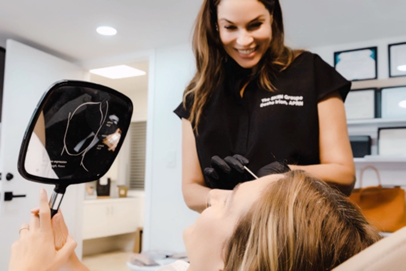
Meet Desha Irion, founder of The SKIIN Groupe: Board-certified nurse practitioner with over a decade of experience in plastic surgery. She began her professional journey at the University of Miami, Division of Plastic and Reconstructive Surgery, where she earned her expertise in a wide range of surgical and non-surgical procedures. During this time, she collaborated closely with accomplished plastic surgeons, actively participating in patient care, providing guidance on post-operative recovery following reconstructive and cosmetic surgeries, as well as performing non-invasive aesthetic procedures, such as injectables and laser therapies.
Aside from her experience in plastic surgery and aesthetics, she is also certified in female wellness specializing in hormone optimization and gender affirming therapies, demonstrating her commitment to inclusive and personalized care.
Combining her affinity for artistic elements, natural aesthetics, and design, she found her perfect balance in the medical field. The allure of regenerative medicine and organic therapies became her driving force. Realizing that beauty is not a one-size-fits-all concept, she established The SKIIN Groupe, a boutique practice with bespoke treatments.
Focusing on individual psychology and anatomy, Desha has successfully delivered personalized therapies for over a decade. Her approach is rooted in the belief that beauty is not "cookie cutter." It's about enhancing, preserving, and restoring what you were born with. She provides a map to maximize your natural beauty, whether it's anti-aging treatments, regenerative therapies, or skin care.

Our trusted experts are dedicated to helping you achieve natural and stunning results to make you feel and look amazing.
"I only trust Desha with my Botox and filler. She is a perfectionist and makes me look classy, youthful and refreshed!!!"
"Been getting facials recently with Yasmina and she is amazing, my skins been feeling and looking great!"
"Love getting my botox with Desha! She is an expert at what she does!!"
"I had an amazing experience. Desha was professional and knowledgeable. The results were natural—exactly what I was hoping for!"
"I had a peel treatment with Desha to help reduce sun damage. My skin looks brighter and more refreshed. Highly recommend!"
(FAQs)
These term refers to a variety of medical procedures where a substance is injected into the body for medical or cosmetic purposes. Cosmetic injectables are used for aesthetic purposes to improve the appearance of the skin and to ameliorate the signs of aging. The most common cosmetic injectables include: Neurotoxins, Dermal fillers, Biostimulators, therapeutic injections and IV infusions.
It is important to note that injectable treatments should only be administered by qualified healthcare professionals to ensure safety and efficacy. always consult with a healthcare provider to determine if injectable treatment are suitable for your specific needs.
Neurotoxins, Dermal fillers and biostimulators are all different types of injectable treatments used in cosmetic procedures to address signs of aging, enhance facial features, and improve skin quality.
The key differences between these injectables are as follow:
Neurotoxin (Botulinum Toxin): Neurotoxin injection, such as Botox, Dysport, and Xeomin, contain botulinum toxin type A, which temporarily relaxes the muscles responsible for causing wrinkles. These injections work by blocking nerve signals to the targeted muscles, resulting in a temporary reduction of muscle activity and smoothing out wrinkles and fine lines. Neurotoxin injections are commonly used to treat dynamic wrinkles caused by repetitive muscle movements, such as frown lines, crow’s feet and forehead lines.
The effects of neurotoxins injections typically last for several months before the muscles gradually regain movement, requiring repeat treatments to maintain results.
Dermal Fillers: Dermal fillers are injectable gels made of substances like hyaluronic acid, calcium hydroxylapatite, poly-l-lactic acid, or polymethylmethacrylate (PMMA). These fillers are used to add volume, fill in wrinkles and lines, enhance facial contours and restore lost facial volume that occurs with aging. Dermal fillers can also be used to plump lips, contour cheeks and improve the appearance of scars.
The results of dermal filler injections are immediate and can last anywhere from several months to a couple of years, depending on the type of filler used and individual factors.
Biostimulators: These are substances that stimulate the body’s natural collagen production, such as calcium hydroxylapatite (e.g., Radiesse) and Poly-Llactic acid (e.g., Sculptra). They work by triggering the body’s own collagen production processes, leading to a gradual improvement in skin quality, firmness, and elasticity over time. Biostimulators are often used to address volume loss, improve skin texture, and promote skin rejuvenation.
The results of biostimulator injections are not immediate, as collagen production takes time. Multiple sessions are typically required to achieve the desired results, and the effects can last up to two years or more.
In summary, neurotoxins target muscle movement to reduce wrinkles, dermal fillers add volume and fill in lines, while biostimulators stimulate collagen production for long-term skin improvement. Each type of injectable treatments serves a different purpose and can be used alone or in combination to achieve desired cosmetic outcomes.
Injectable treatments are generally safe when administered by a qualified healthcare professional in appropriate settings. However, it’s essential to consider the following factors to ensure the safety and effectiveness of these treatments:
Overall, when performed by a qualified professional using high-quality products and following best practices, injectable treatments can be safe and effective in achieving cosmetic enhancements and skin rejuvenation goals. It is essential to prioritize safety, proper assessment, and informed decision-making when considering any type of injectable treatment.
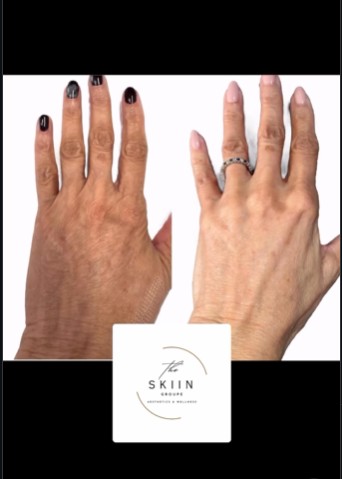
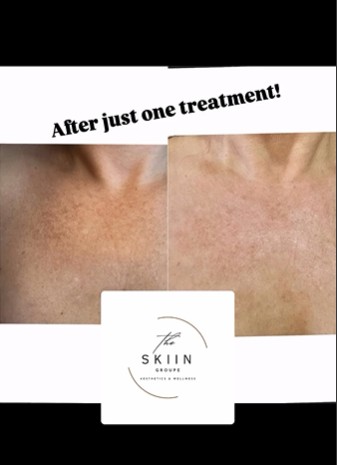
Stay inspired by our latest work and clinical results.